
Description
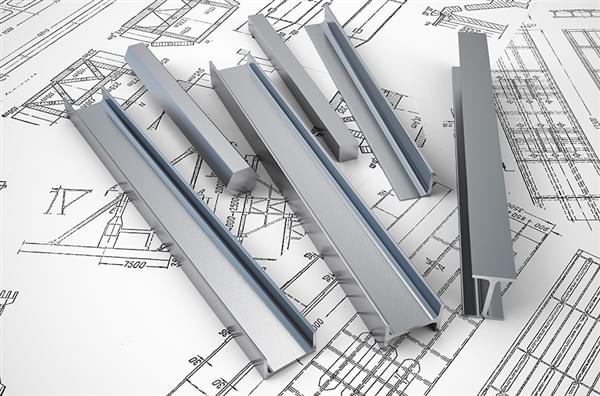
1070 Aluminum Angle
About the aluminum
1070 Aluminum Alloy Properties & Applications
1070 aluminum alloy is a commercially pure aluminum material known for its excellent plasticity, corrosion resistance, electrical conductivity, and thermal conductivity. Due to its high purity, 1070 aluminum is widely used in industries that require lightweight materials with superior conductivity and formability. However, it has relatively low mechanical strength and cannot be strengthened through heat treatment.
Although 1070 aluminum offers excellent processing performance, its machining and cutting properties are limited compared to stronger aluminum alloys. The material is suitable for contact welding, gas welding, spot welding, and argon arc welding, making it highly versatile for industrial fabrication and manufacturing applications.
Key Features of 1070 Aluminum
1070 aluminum alloy provides several important advantages, including:
- Excellent corrosion resistance
- High electrical conductivity
- Strong thermal conductivity
- Outstanding ductility and plasticity
- Lightweight properties
- Good weldability
- Easy forming and processing
Because of these characteristics, 1070 aluminum is commonly manufactured into plates, sheets, strips, foils, wires, and extruded products.
Common Applications of 1070 Aluminum Alloy
1070 aluminum is widely used in applications where conductivity, corrosion resistance, and lightweight performance are more important than structural strength. Typical applications include:
- Aluminum foil products
- Capacitor foils and gaskets
- Electrical wires and cables
- Cable protection sleeves
- Electronic tube isolation nets
- Ventilation system components
- Decorative aluminum parts
- Heat dissipation materials
- Industrial cookware and heat exchangers
Its excellent conductivity makes it particularly valuable in the electrical and electronics industries.
1070A Aluminum Alloy
1070A aluminum alloy shares similar properties with standard 1070 aluminum and belongs to the industrial pure aluminum series. It offers the same benefits of low density, strong corrosion resistance, high thermal conductivity, and excellent processing performance.
Although industrial pure aluminum alloys cannot be strengthened through heat treatment, their mechanical strength can be improved through cold working and deformation processes. Annealing remains the primary heat treatment method used for these materials.
Physical Properties of Aluminum
Aluminum is a lightweight silver-white metal with a density of approximately 2.7 g/cm³, a melting point of 660.4°C, and a boiling point of 2467°C. Thanks to its exceptional physical and chemical properties, aluminum and aluminum alloys are widely used across multiple industries worldwide.
One of aluminum’s major advantages is its excellent light reflectivity. Pure aluminum reflects ultraviolet light more effectively than silver, making it ideal for reflective coatings, mirrors, and solar energy applications. Vacuum aluminum plating is commonly used to manufacture lightweight, high-quality reflective surfaces and solar cell materials.
Electrical & Thermal Conductivity
Pure aluminum is an excellent conductor of electricity, second only to silver and copper. In the electrical industry, aluminum is frequently used as a lightweight alternative to copper for wires, power cables, and transmission systems.
Aluminum also has excellent thermal conductivity, making it suitable for:
- Heat exchangers
- Cooling systems
- Industrial heat sinks
- Kitchen cookware
- Thermal management components
Aluminum Alloy Advantages
Aluminum is highly ductile and can be drawn into fine wire, rolled into sheets, or processed into ultra-thin aluminum foil. These properties make aluminum widely used in packaging, electronics, construction, transportation, and industrial manufacturing.
By adding alloying elements such as copper, magnesium, manganese, or zinc, aluminum alloys achieve significantly greater strength while maintaining lightweight performance and corrosion resistance. Certain aluminum alloys can approach the strength of steel while remaining much lighter and more resistant to rust.
Industrial Uses of Aluminum Alloys
Because of their excellent strength-to-weight ratio, aluminum alloys are extensively used in:
- Aerospace and aircraft manufacturing
- Automotive and transportation industries
- Railway systems
- Marine and shipbuilding applications
- Satellites and space technology
- Rocket fuel storage systems
At extremely low temperatures, many aluminum alloys maintain or even increase their toughness and strength, unlike some steels that become brittle. This makes aluminum alloys ideal for cryogenic storage applications, including liquid oxygen and hydrogen fuel systems used in aerospace engineering.
PRODUCT
| Place of Origin: | Shandong, China |
| Temper: | T3-T8 |
| Shape: | Angle |
| Model Number: | customization |
| Tolerance: | ±5% |
| Delivery Time: | 15-30 days |
| Color: | Customized Color |
| Surface treatment: | Mill Finish,power coating,anodizing,wooden grain,etc |
| Application: | Decorations, Decorations,Construction,Industry |
| Processing Service: | Bending, Decoiling, Welding, Punching, Cutting |
| Quality Standard: | GB 5237-2008 |
| Thickness: | 0.3mm~3mm/Customized |
buy 1070 aluminum angle wholesale, bulk 1070 aluminum angle supplier, 1070 aluminum angle distributor, wholesale 1070 aluminum alloy angle, bulk buy 1070 aluminum angle, 1070 aluminum angle bulk order, 1070 aluminum angle manufacturer direct, 1070 aluminum angle bulk pricing, order 1070 aluminum angle in bulk, 1070 aluminum angle industrial supplier,
Reviews
There are no reviews yet.